

Why Commercial Dog Waste Removal Is Essential for Property Managers
Commercial dog waste removal is a professional service that keeps shared outdoor spaces clean and safe through regular waste collection, station maintenance, and disposal. Here’s what property managers need to know:
Key Services Include:
- Regular waste scooping and removal from common areas
- Pet waste station installation and maintenance
- Bag refill and dispenser servicing
- Deodorizing and sanitizing treatments
- Compliance with local health regulations
Common Properties That Need Service:
- Apartment complexes and HOAs
- Dog parks and recreational areas
- Hotels and corporate campuses
- Retail centers and schools
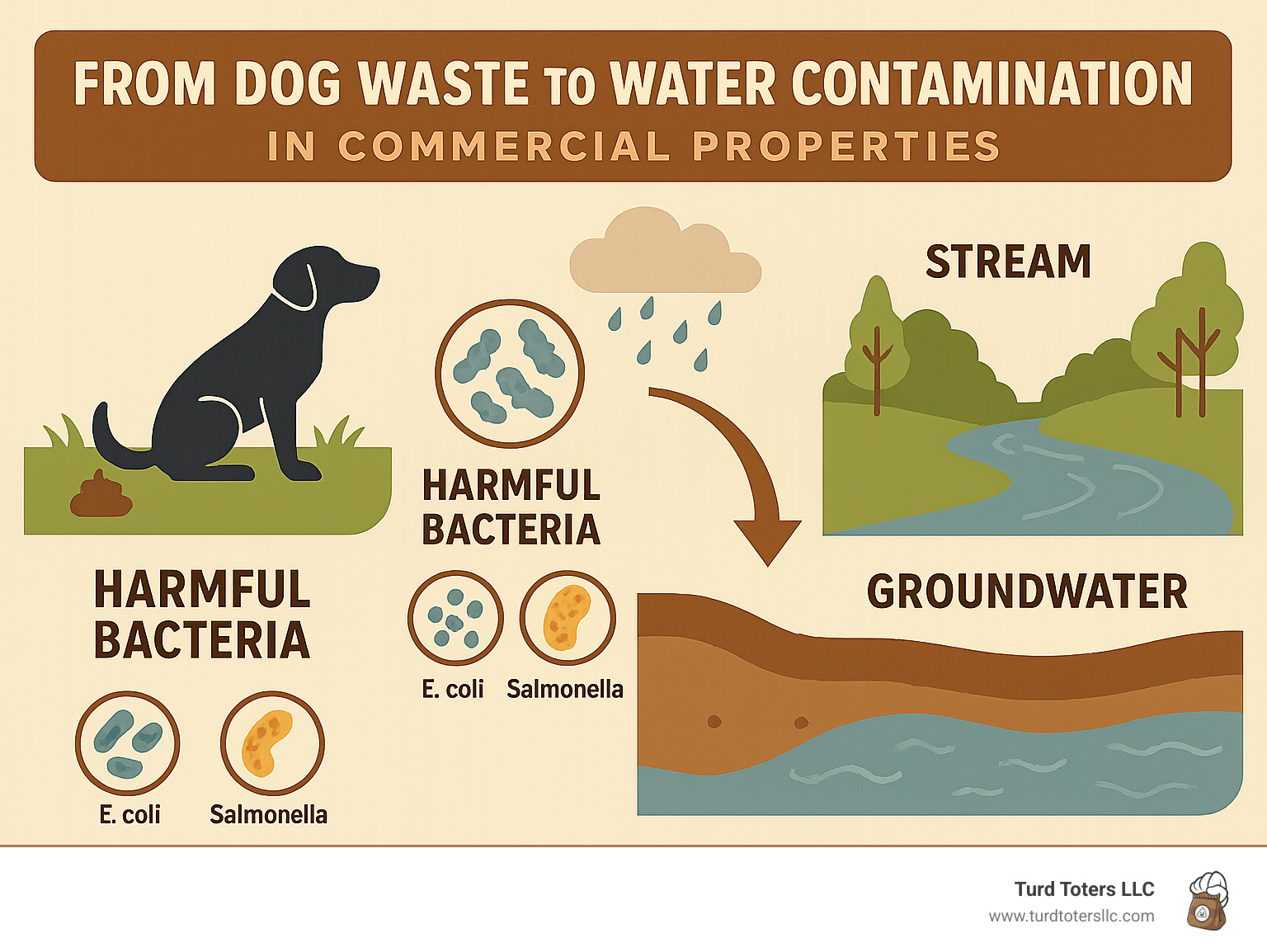
The numbers tell the story: the average dog produces 274 pounds of waste per year, and with 4 out of 10 American households owning dogs, commercial properties face serious cleanup challenges. Pet waste isn’t just unsightly – it’s classified as a pollutant by the EPA, carrying dangerous bacteria like E. coli and salmonella that can harm residents and contaminate water supplies.
Property managers who ignore dog waste face mounting complaints, health risks, and potential legal issues. Professional removal services solve these problems while improving resident satisfaction and property values.
As one property manager noted: “The service techs are so prompt and courteous! They do a great job of keeping the areas clean and the stations loaded with bags.”
Regular commercial dog waste removal protects public health, maintains property appeal, and ensures compliance with environmental regulations – making it an essential service for any pet-friendly commercial property.
What Is Commercial Dog Waste Removal?
Think of commercial dog waste removal as the professional-grade solution for properties where lots of dogs visit regularly. Unlike the simple backyard cleanup most people imagine, this is a comprehensive waste management system designed for apartment complexes, dog parks, corporate campuses, and other shared spaces.
The service starts with systematic waste collection using trained technicians who follow grid patterns to ensure they don’t miss a spot. But it goes much deeper than basic scooping. Professional teams also maintain pet waste stations, keeping dispensers stocked with bags, emptying collection bins, and replacing damaged equipment.
What really sets commercial service apart is the compliance aspect. The EPA actually classifies pet waste as a pollutant – right alongside chemicals like insecticides. This means commercial properties often face regulatory requirements that homeowners never deal with.
Modern commercial services include deodorizing treatments and sanitization using kennel-grade disinfectants that eliminate dangerous bacteria while staying safe for pets and people. It’s about creating clean, healthy environments where families can enjoy outdoor spaces without worry.
How Commercial Dog Waste Removal Differs From Residential Service
The jump from residential to commercial service is like comparing a neighborhood lemonade stand to a busy restaurant. The scale and complexity change everything.
Traffic volume tells the whole story. While your backyard might see one or two dogs daily, an apartment complex could host 50+ dogs, and popular dog parks see hundreds of visits each week. This massive difference means commercial properties need daily or three-times-weekly service instead of the typical weekly residential schedule.
The equipment requirements are completely different too. Commercial teams use heavy-duty collection vehicles, industrial sanitizers, and commercial-grade waste containers. They’re equipped to handle large areas efficiently while maintaining safety standards.
Liability considerations become much more serious with commercial properties. If someone gets sick from bacteria in pet waste or has an accident, property owners face significant legal exposure. Professional services carry comprehensive insurance and follow strict protocols to protect their clients.
Service frequency reflects these realities. During peak seasons or in high-traffic areas, some commercial properties need daily attention to stay clean and compliant.
Primary Stakeholders & Property Types
Different commercial properties face unique challenges when managing pet waste, and understanding these differences helps create effective solutions.
Apartment complexes and HOAs walk a careful line between attracting pet-owning residents and keeping everyone happy. Pet-friendly policies fill units faster, but waste buildup leads to complaints and health concerns. Regular professional service keeps common areas pleasant while reducing management headaches.
Parks and recreation areas see heavy weekend traffic and after-work rushes when dog owners hit the trails. These spaces need frequent cleaning to stay safe for children and families who use the same areas.
Dog parks face the ultimate challenge – the highest waste concentration per square foot of any property type. Daily service often becomes essential, along with multiple waste stations and frequent sanitization to handle the volume.
Hotels and corporate campuses cater to a different crowd – traveling pet owners or companies with dog-friendly policies. These properties need impeccable waste management to maintain their professional image and guest satisfaction.
Retail centers and schools that welcome pets must balance their family-friendly reputation with health regulations. Clean, well-maintained outdoor areas become part of their brand promise.
Here in our service areas around Augusta, Evans, and Grovetown, we’ve seen how each property type brings distinct challenges – from busy apartment complexes to sprawling business campuses that need customized solutions.
Why Regular Commercial Dog Waste Removal Matters
The importance of regular commercial dog waste removal extends far beyond aesthetics. Dog feces carry bacteria that can cause serious diseases in humans, especially children who are more likely to play in contaminated areas and put their hands in their mouths.
Left to decay, pet waste creates a cascade of problems. The bacteria multiply, odors intensify, and waste eventually runs into storm drains, streams, and lakes, causing massive pollution. A single gram of dog waste contains up to 23 million bacteria, including dangerous pathogens like E. coli, salmonella, and giardia.
Regular removal prevents these health hazards while protecting property values. First impressions matter tremendously in commercial real estate – potential tenants, customers, and visitors form opinions within seconds of arriving. Clean, odor-free grounds signal professional management and attention to detail.
The average dog excretes three-fourths of a pound of waste per day, which means a property with just 10 dogs faces nearly 3 tons of waste annually without proper management. This volume quickly overwhelms any informal cleanup efforts.
Health & Environmental Risks of Neglect
The health risks associated with accumulated dog waste are serious and well-documented. Scientific research on pet waste bacteria shows that pet waste can harbor numerous pathogens dangerous to human health.
Bacterial Infections: Dog waste commonly contains E. coli, salmonella, campylobacter, and other bacteria that cause severe gastrointestinal illness. Children are particularly vulnerable because they’re more likely to play in contaminated soil and less likely to wash their hands thoroughly.
Parasitic Diseases: Roundworms, hookworms, whipworms, and tapeworms can survive in soil for months or years after the original waste decomposes. These parasites can cause serious infections in both humans and other animals.
Water Contamination: When pet waste isn’t collected, rainwater carries bacteria and nutrients into storm drains and waterways. This runoff contributes to algae blooms that kill fish and make water unsafe for swimming or drinking.
Air Quality Issues: Decomposing waste releases ammonia and other compounds that create unpleasant odors and can trigger respiratory problems in sensitive individuals.
The environmental impact extends beyond immediate health concerns. Pet waste contributes to nitrogen and phosphorus pollution in waterways, disrupting aquatic ecosystems and contributing to dead zones where nothing can survive.
Image, Reputation & Legal Compliance
Commercial properties operate under intense scrutiny from tenants, customers, regulators, and the general public. Waste-covered grounds create immediate negative impressions that can take years to overcome.
First Impressions: Property managers know that curb appeal directly impacts occupancy rates and rental prices. Clean, well-maintained grounds suggest professional management and attention to detail. Conversely, waste-littered areas signal neglect and poor management.
Municipal Ordinances: Many cities have specific requirements for pet waste management on commercial properties. Violations can result in fines, citations, and negative publicity. Some municipalities require commercial properties to provide waste stations and maintain clean common areas.
HOA Bylaws: Homeowner associations often have strict rules about pet waste, with fines for violations. Professional removal services help ensure compliance while reducing enforcement burdens on HOA boards.
EPA Clean Water Act: Since pet waste is classified as a pollutant, properties that allow runoff into waterways can face federal fines and cleanup orders. Regular waste removal helps demonstrate good faith efforts to prevent pollution.
Insurance Considerations: Some insurance policies require reasonable efforts to prevent slip-and-fall accidents and health hazards. Professional waste removal services provide documentation of proactive risk management.
Building a Comprehensive Commercial Dog Waste Removal Plan
Creating an effective commercial dog waste removal plan requires careful assessment of your property’s unique needs. Every commercial property has different challenges based on size, dog traffic, layout, and user behavior.
The process starts with a thorough site evaluation. Professional services conduct detailed assessments to identify high-traffic areas, problem spots where waste accumulates, and optimal locations for waste stations. This evaluation considers factors like foot traffic patterns, sight lines, accessibility, and proximity to water sources.
A comprehensive plan addresses both immediate waste removal and long-term prevention. This means not just cleaning up existing waste, but creating systems that encourage responsible pet ownership and make compliance easy for users.
Core Services in a Commercial Plan
Modern commercial dog waste removal plans include multiple integrated services designed to keep properties consistently clean:
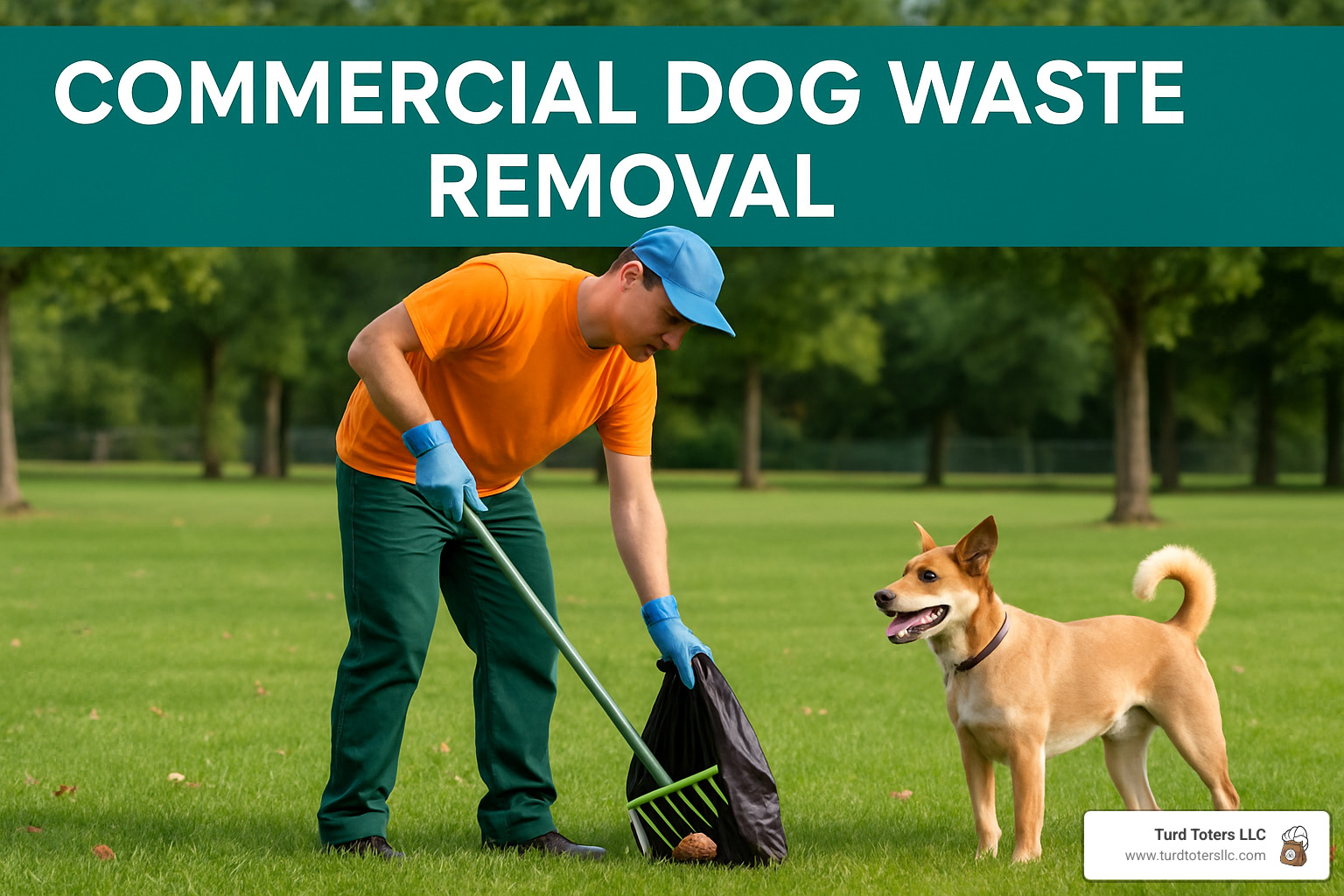
Systematic Scooping: Professional technicians walk properties using grid patterns to ensure complete coverage. They’re trained to identify and collect waste that property staff might miss, including waste hidden under bushes or in landscaped areas.
Waste Hauling: Collected waste is properly bagged and removed from the property for disposal at approved facilities. This eliminates odors and prevents attracting rodents or other pests.
Station Maintenance: Pet waste stations require regular attention – emptying bins, refilling bag dispensers, cleaning surfaces, and checking for damage or vandalism. Well-maintained stations encourage use and reduce scattered waste.
Deodorizing Treatments: Professional-grade deodorizers eliminate odors and break down organic compounds that attract flies and other pests. These treatments are safe for pets and people while being highly effective.
Sanitizing Services: Organic, kennel-grade disinfectants kill harmful bacteria and viruses without creating toxic residues. Regular sanitization is especially important in high-traffic areas and during disease outbreaks.
Power Washing: Hard surfaces like sidewalks and patios benefit from periodic power washing to remove stains and embedded odors that regular cleaning can’t address.
Pet Waste Stations: How They Work & Why They Matter
Pet waste stations are the cornerstone of effective commercial waste management. These installations provide bag dispensers, waste bins, and educational signage that make compliance convenient for pet owners.
Modern stations include several key components:
Bag Dispensers: High-capacity dispensers hold multiple rolls of bags, reducing the frequency of refills. The best dispensers protect bags from weather while allowing easy access.
Waste Bins: Secure bins with tight-fitting lids contain odors and prevent scavenging by wildlife. Commercial-grade bins resist vandalism and weather damage.
Educational Signage: Clear, friendly signs remind pet owners of their responsibilities while providing instructions for proper waste disposal.
Mounting Systems: Stations must be securely mounted to prevent theft or vandalism while remaining accessible to users of all heights and abilities.
Strategic placement is crucial for station effectiveness. Stations work best when placed along natural walking routes, near property entrances, and in areas where dogs naturally tend to relieve themselves. Research shows that properly placed stations can increase compliance rates by 60% or more.
Regular maintenance keeps stations functional and appealing. This includes emptying bins before they overflow, refilling dispensers before bags run out, cleaning surfaces, and promptly repairing any damage.
More info about our commercial services shows how we customize station placement and maintenance for each property’s specific needs.
Determining Optimal Service Frequency
Service frequency depends on multiple factors that vary significantly between properties. The goal is finding the right balance between cleanliness and cost-effectiveness.
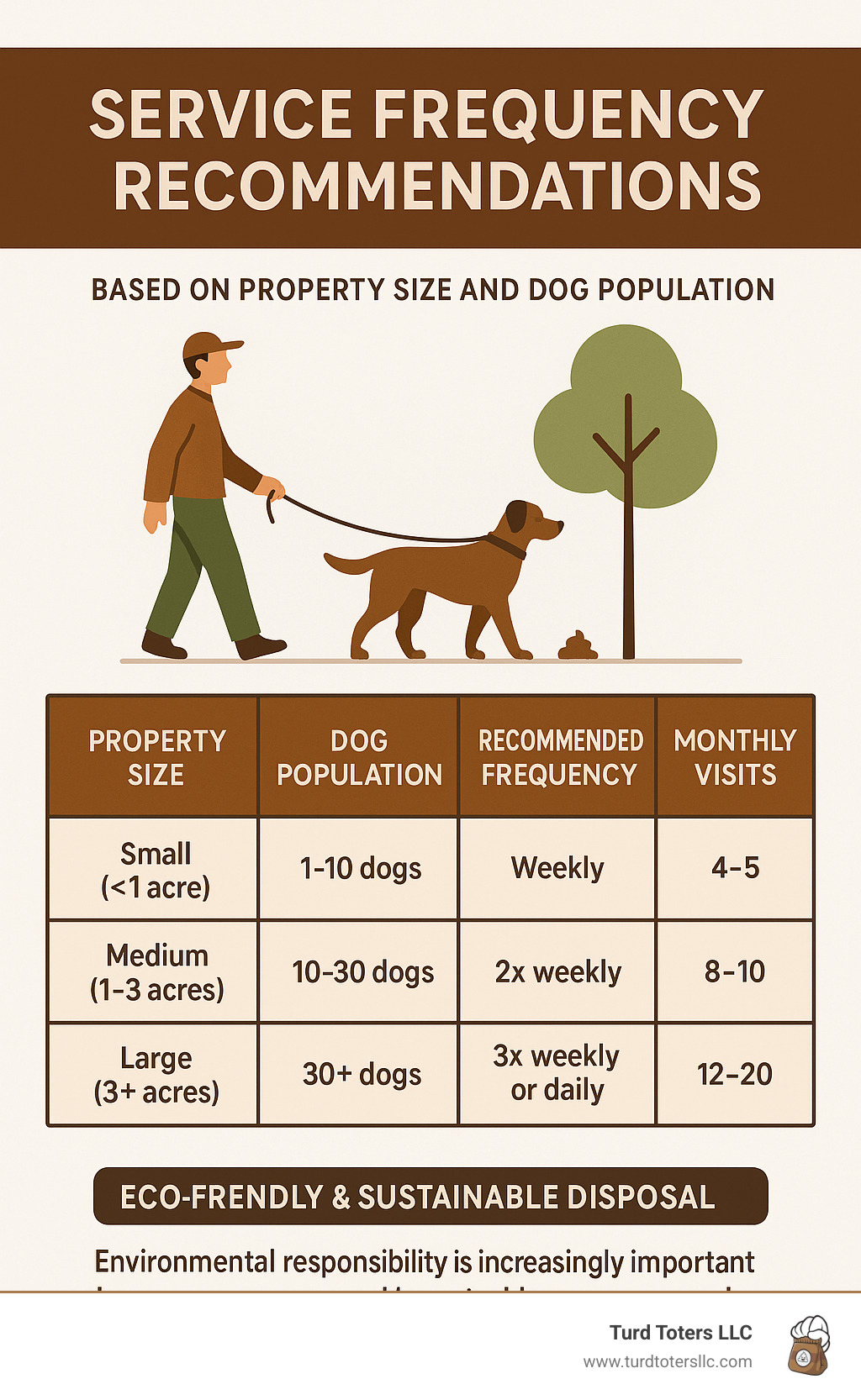
Daily Service: High-traffic properties like busy dog parks or large apartment complexes often need daily attention, especially during peak seasons. Daily service prevents waste accumulation and maintains consistently clean conditions.
Three Times Weekly: Many commercial properties find that Monday-Wednesday-Friday schedules work well, providing regular maintenance while controlling costs. This frequency works well for moderate-traffic properties.
Weekly Service: Lower-traffic properties or those with good owner compliance might manage with weekly service, though this requires careful monitoring to ensure adequacy.
Event-Based Service: Some properties need additional service before special events, during peak seasons, or after weather events that might scatter waste.
Several factors influence optimal frequency:
- Dog Density: Properties with more dogs per acre need more frequent service
- Seasonal Variations: Spring and summer typically see higher usage
- Foot Traffic Patterns: Properties with concentrated high-traffic areas need more attention
- Owner Compliance: Properties with good owner compliance can often manage with less frequent service
- Weather Patterns: Areas with frequent rain need more frequent service to prevent runoff
| Property Size | Dog Population | Recommended Frequency | Monthly Visits |
|---|---|---|---|
| Small (< 1 acre) | 1-10 dogs | Weekly | 4-5 |
| Medium (1-3 acres) | 10-30 dogs | 2x weekly | 8-10 |
| Large (3+ acres) | 30+ dogs | 3x weekly or daily | 12-20 |
Eco-Friendly & Sustainable Disposal Options
Environmental responsibility is increasingly important to property owners and tenants. Modern commercial dog waste removal services offer several sustainable options that reduce environmental impact while maintaining effectiveness.
Composting Programs: Scientific research on composting dog waste shows that properly managed composting can safely break down pet waste while creating useful soil amendments. Commercial composting requires specific temperature and time parameters to eliminate pathogens.
Biodegradable Bags: Many services now use bags made from plant-based materials that break down naturally instead of persisting in landfills for decades. These bags perform just as well as traditional plastic while reducing long-term environmental impact.
Methane Capture: Some waste processing facilities capture methane from decomposing organic waste, including pet waste, to generate renewable energy. This turns waste into a resource while reducing greenhouse gas emissions.
Low-Carbon Vehicles: Progressive services use high-efficiency vehicles or electric trucks to reduce their carbon footprint during waste collection and transport.
Water Conservation: Eco-friendly services use minimal water for cleaning and sanitization, often employing concentrated products that require less dilution.
These sustainable practices appeal to environmentally conscious tenants and help properties meet green building standards or sustainability goals.
Costs, Scheduling & Choosing a Provider for Commercial Dog Waste Removal
Understanding the costs and selection criteria for commercial dog waste removal helps property managers make informed decisions that balance budget constraints with service quality.
Pricing models vary significantly between providers, but most commercial services use one of several common approaches. Per-station pricing charges a monthly fee for each waste station, typically including installation, maintenance, bag refills, and waste removal. Per-visit pricing charges for each service call, with rates varying based on property size and waste volume.
Monthly contract pricing offers predictable costs with bundled services, while volume discounts reward larger properties or multiple-property contracts. Many providers offer seasonal pricing that reflects varying service needs throughout the year.
Typical Cost Ranges & Budget Factors
Commercial dog waste removal costs depend on several key factors that property managers should understand when budgeting:
Number of Stations: Each waste station requires installation, regular maintenance, bag refills, and waste removal. Properties typically need one station per 1-2 acres or every 200-300 feet along walking paths.
Property Acreage: Larger properties require more time for thorough cleaning, even if dog density is relatively low. Travel time between areas adds to service costs.
Dog Density: Properties with many dogs per acre need more frequent service and generate more waste, increasing both labor and disposal costs.
Travel Distance: Properties located far from the service provider’s base may incur additional travel charges or minimum service fees.
Add-On Services: Deodorizing, sanitization, power washing, and emergency cleanups add to base service costs but provide significant value for maintaining property appeal.
Service Frequency: More frequent service costs more but often provides better value by preventing waste accumulation and associated problems.
Most commercial properties can expect to invest $200-800 per month for comprehensive waste management, depending on size and service level. This investment typically pays for itself through reduced maintenance costs, fewer complaints, and improved property values.
What to Look For in a Reliable Partner
Choosing the right commercial dog waste removal provider requires careful evaluation of several critical factors:
Licensing & Insurance: Legitimate commercial services carry proper business licenses and comprehensive liability insurance. This protects property owners from potential claims related to service activities or accidents.
Safety Protocols: Professional providers follow strict safety procedures to protect their workers and property users. This includes proper equipment sanitization, safe waste handling, and adherence to health regulations.
Photo Documentation: Modern services provide photo proof of completed work, often through digital platforms that timestamp and GPS-locate service activities. This documentation helps verify service completion and identify any issues.
Digital Reporting: Advanced providers offer online portals where property managers can track service history, report issues, schedule additional services, and communicate with service teams.
Satisfaction Guarantees: Reputable providers stand behind their work with satisfaction guarantees that include return visits if service doesn’t meet expectations.
Environmental Practices: Look for providers that use eco-friendly disposal methods, biodegradable bags, and efficient vehicles to minimize environmental impact.
References & Reviews: Check references from similar properties and read online reviews to understand the provider’s track record and customer satisfaction levels.
Local Knowledge: Providers familiar with local regulations, weather patterns, and property types can offer better service and advice.
We’ve built our reputation in the Augusta, Evans, and Grovetown areas by focusing on these quality indicators while maintaining competitive pricing and reliable service.
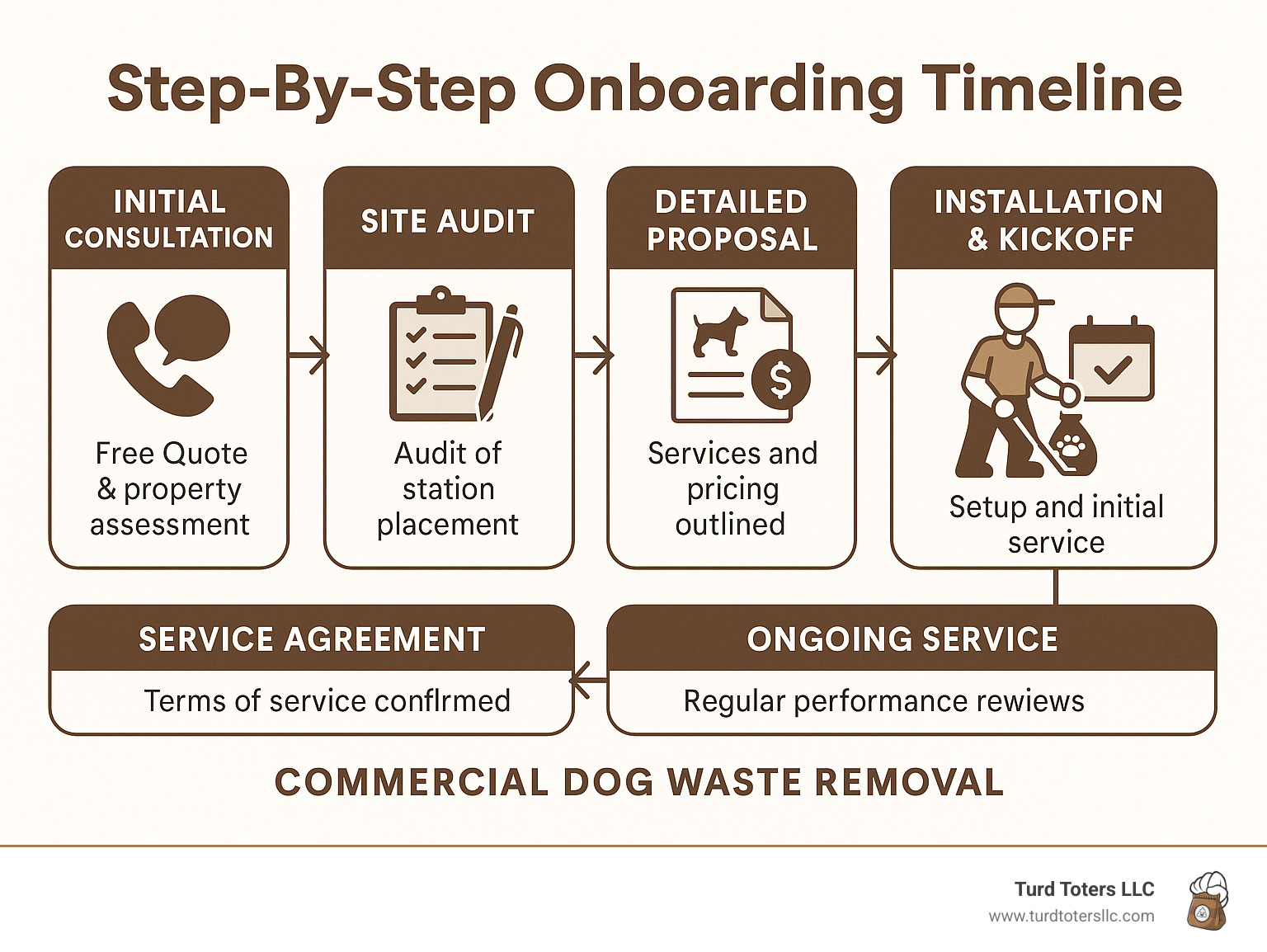
Getting Started: Step-by-Step Onboarding Process
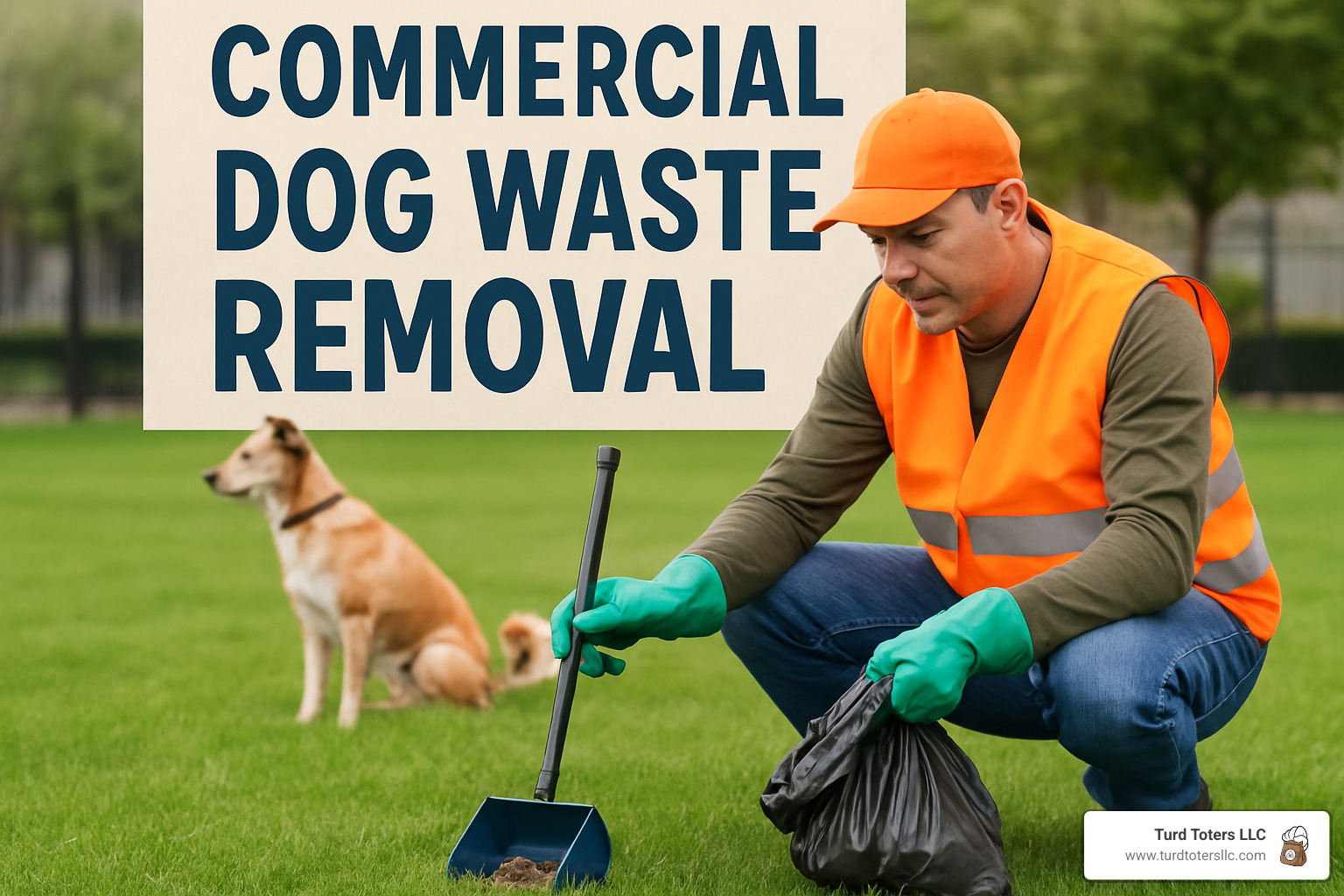
The onboarding process for commercial dog waste removal service should be straightforward and thorough, setting clear expectations for both parties:
Free Quote & Consultation: Reputable providers offer free site evaluations and quotes without obligation. This consultation should include property assessment, needs analysis, and customized service recommendations.
Site Audit: A detailed site audit identifies optimal station locations, problem areas, access requirements, and any special considerations. This audit forms the basis for the service proposal.
Detailed Proposal: The proposal should clearly outline services included, pricing, scheduling, and terms. Look for proposals that address your specific needs rather than generic offerings.
Service Agreement: The agreement should specify service frequency, included services, pricing, cancellation terms, and performance standards. Avoid providers requiring long-term contracts without proven performance.
Installation & Kickoff: Station installation and initial service should be coordinated to minimize disruption. The provider should train property staff on the system and provide emergency contact information.
Ongoing Reviews: Regular performance reviews help ensure service meets expectations and allows for adjustments as property needs change.
The entire process typically takes 1-2 weeks from initial contact to full service implementation, depending on property complexity and station installation requirements.
Frequently Asked Questions about Commercial Dog Waste Removal
Property managers often have similar questions when considering commercial dog waste removal services. Here are the answers to the most common concerns we hear from clients in Augusta, Evans, and Grovetown.
How often should my property be serviced?
The right service frequency depends on your property’s unique situation, and there’s no one-size-fits-all answer. Most commercial properties do well with service 1-3 times per week, but finding your sweet spot requires looking at several factors.
Dog population density plays the biggest role – properties with lots of dogs in a small area need more frequent attention. A busy apartment complex with 50 dogs might need daily service, while a sprawling corporate campus with just a few visiting pets could manage with weekly visits.
Seasonal patterns also matter significantly. Spring and summer bring more outdoor activity, which means more dogs and more waste. Many properties increase their service frequency during these peak months, then scale back in winter when usage drops.
User compliance makes a huge difference too. Properties where most pet owners clean up after themselves can often get by with less frequent professional service. But if compliance is spotty, you’ll need more frequent visits to keep things under control.
Weather conditions in Georgia can complicate things. Heavy rains can scatter waste and create runoff issues, sometimes requiring additional cleanup visits after storms.
We typically recommend starting with twice-weekly service for most properties. This gives us a baseline to work from, and we can adjust up or down based on what we observe. It’s easier to reduce frequency than to play catch-up with an overwhelmed property.
What happens to the waste after pickup?
This is probably the question we get asked most often, and it’s a great one. Responsible waste disposal is a crucial part of professional commercial dog waste removal service.
Licensed disposal facilities handle most of the waste we collect. These facilities follow strict regulations to process organic waste safely without contaminating the environment. They’re inspected regularly and must meet specific standards for waste handling and disposal.
Some of our waste goes to composting programs that can safely break down pet waste under controlled conditions. This isn’t something you can do in a backyard compost bin – it requires specific temperatures and processing methods to eliminate harmful bacteria. The resulting compost can be used for landscaping projects, though never for food crops.
Waste-to-energy facilities are becoming more common in our area. These facilities convert organic waste into renewable energy through controlled processes. It’s a great way to turn waste into something useful while keeping it out of landfills.
When other options aren’t available, waste goes to approved landfills with proper containment systems. These aren’t just any landfills – they have special linings and monitoring systems to prevent groundwater contamination.
We’re always happy to explain our disposal methods and provide documentation when clients need it for regulatory compliance or their own records.
Are there legal requirements for pet waste management?
Yes, and they’re more extensive than many property managers realize. Commercial properties face stricter requirements than residential properties, and violations can result in serious fines and legal headaches.
Municipal ordinances in many Georgia cities require commercial properties to provide waste stations and keep common areas clean. Augusta, Evans, and Grovetown all have regulations that apply to different types of commercial properties. Violations can result in citations and fines that add up quickly.
The EPA classifies pet waste as a pollutant under the Clean Water Act, which means properties must prevent waste from entering storm drains and waterways. This isn’t just about being a good neighbor – it’s federal law with serious penalties for violations.
HOA bylaws often include strict pet waste requirements with their own fine structures. We’ve seen HOAs levy hundreds of dollars in fines against properties that don’t maintain clean common areas.
Health department regulations vary by county but often require proper waste disposal in commercial settings, especially properties that serve food or cater to families with children.
Insurance requirements add another layer of complexity. Many liability policies require property owners to take reasonable steps to prevent slip-and-fall accidents and health hazards. Professional waste removal services provide documentation that shows you’re taking these risks seriously.
We help our clients understand and comply with all applicable regulations. It’s part of our service – we stay up-to-date on local requirements so you don’t have to worry about accidentally violating rules you didn’t know existed.
The bottom line is that professional commercial dog waste removal isn’t just about keeping your property looking good – it’s about protecting yourself from legal and financial risks while creating a safe, pleasant environment for everyone who uses your property.
Conclusion
When you’re managing a commercial property, commercial dog waste removal becomes one of those essential services that protects everything you’ve worked to build. Think about it – with dogs producing nearly 300 pounds of waste each year and more families choosing pet-friendly properties, professional waste management isn’t just nice to have anymore. It’s absolutely necessary.
The health benefits alone make the investment worthwhile. We’re talking about protecting residents and visitors from serious bacteria like E. coli and salmonella that lurk in pet waste. Children are especially vulnerable since they love playing outdoors and aren’t always great about washing their hands. Regular professional removal eliminates these dangers while keeping you on the right side of environmental regulations.
But here’s what many property managers find – the return on investment goes way beyond just staying healthy and compliant. Clean properties attract quality tenants who are willing to pay premium rents. They generate fewer complaints, require less emergency maintenance, and create the kind of positive reputation that keeps your occupancy rates high.
Today’s commercial dog waste removal services have evolved far beyond someone with a shovel and a bag. Professional providers create complete systems custom to your property’s unique challenges. They understand optimal station placement, know which eco-friendly disposal methods work best, and can adjust service frequency based on seasonal changes and usage patterns.
Here in Georgia, we know how our warm climate and pet-loving communities create specific challenges. Properties around Augusta, Evans, and Grovetown deal with year-round dog activity and rapid waste decomposition that can quickly turn minor problems into major headaches. That’s why having a local team that understands these conditions makes such a difference.
The beauty of professional waste management is how it frees you up to focus on what matters most – managing your property, keeping tenants happy, and growing your business. No more emergency cleanup calls, no more angry residents complaining about unsanitary conditions, and no more worrying about potential health violations.
Your property represents a significant investment that deserves protection. Professional waste removal services help preserve that investment while creating the kind of clean, welcoming environment that both current and prospective tenants appreciate.
Ready to see how much easier property management becomes when you don’t have to worry about waste cleanup? Contact us today to find how our comprehensive commercial services can transform your property maintenance routine and give you back your peace of mind.