

Why Professional Dog Feces Cleanup Services Are a Game-Changer
Dog feces cleanup is a reality every pet owner faces, but it doesn’t have to ruin your weekends or stress you out. Whether you’re dealing with a single accident or months of accumulated waste, the right approach makes all the difference.
Quick Answer: Your Best Dog Feces Cleanup Options
- DIY Tools: Spring-loaded scoopers, compostable bags, enzymatic cleaners
- Professional Services: Weekly yard maintenance starting around $12-22 per visit
- Emergency Cleanup: Freeze spray for diarrhea, carpet-specific techniques for indoor accidents
- Disposal Methods: Trash bins, flushing (check local rules), or backyard composting
Most dogs produce 300-700 fecal deposits per year, and research shows that dog waste contains harmful bacteria like Salmonella and E. coli even from healthy-looking pets. The EPA classifies pet waste as an environmental pollutant that can contaminate waterways and overwhelm local ecosystems.
But here’s the good news: you have options. From budget-friendly DIY gear to full-service professionals who handle everything, there’s a solution that fits your schedule and budget.
Professional services have evolved far beyond basic pickup. Companies now offer GPS tracking, automated notifications, eco-friendly disposal methods, and even waste-to-energy programs. Some provide same-day service, while others focus on consistent weekly maintenance.
Why Prompt Dog Feces Cleanup Matters
Nobody wakes up excited about dog feces cleanup, but here’s the thing – what seems like a simple chore actually has some pretty serious consequences when we skip it. The research behind pet waste management reveals facts that might surprise you.
That innocent-looking pile in your backyard isn’t just unpleasant to step on. Dog waste carries dangerous pathogens including Salmonella, E. coli, and Yersinia – bacteria that can make your entire family sick. Unlike the cow manure farmers spread on fields, dog feces is actually toxic to your grass because of its high acidity. Those brown burn spots scattered across your lawn? That’s your yard literally getting poisoned.
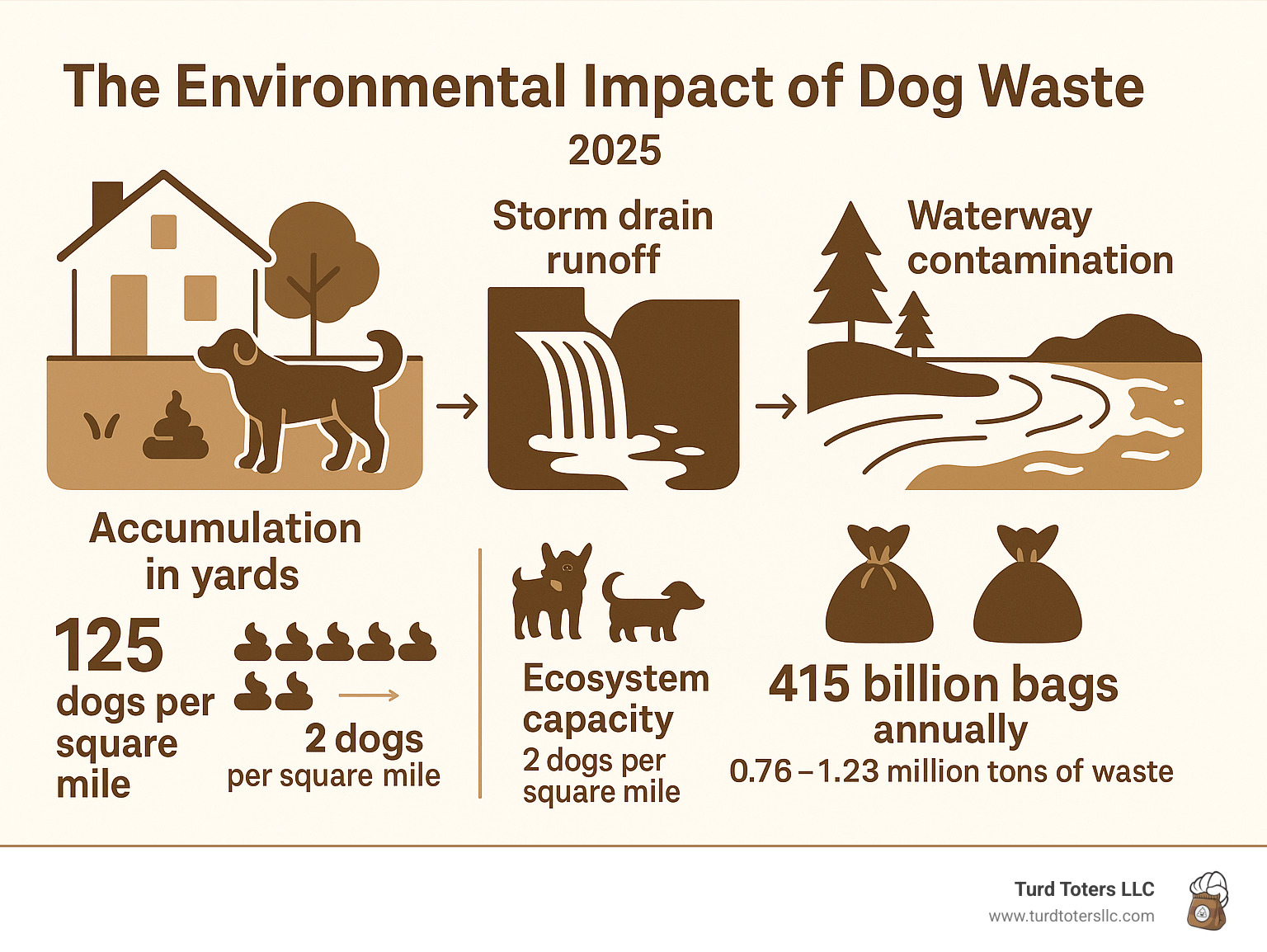
Here’s a number that stopped us in our tracks: urban neighborhoods typically have about 125 dogs per square mile. Natural ecosystems can only handle waste from roughly 2 dogs per square mile before becoming overwhelmed. We’re asking nature to process more than 60 times what it can naturally handle.
Scientific research on pet-waste pathogens shows that even healthy-looking dogs can carry disease-causing parasites like Giardia and various worms. When waste sits around for days or weeks, these pathogens survive in soil for months, creating ongoing health risks for kids playing outside and other pets in the neighborhood.
The good news? Regular cleanup eliminates these problems entirely. More info about removal tips can help you develop an effective routine that protects your family and community.
Health Risks You Can’t Ignore
The health side of delayed dog feces cleanup goes deeper than most pet owners realize. Zoonotic diseases – illnesses that jump from animals to humans – become a real threat when dog waste accumulates around your home.
Kids face the biggest risk because they play close to the ground and often forget about hand washing. When your dog steps in waste and later licks their paws (which they absolutely will), harmful bacteria gets ingested, creating a contamination cycle that can affect your whole household.
Parasites like roundworms and hookworms are particularly sneaky. They survive in contaminated soil for years, and when dried feces breaks apart, these microscopic threats become airborne. This can lead to respiratory issues or skin infections, especially in people with sensitive immune systems.
Environmental & Legal Fallout
The environmental impact of pet waste reaches far beyond your property line. When dog feces washes into storm drains during rainfall, it dumps excess nitrogen and phosphorus into local waterways. This nitrogen overload fuels harmful algae blooms that make water unsafe for swimming, fishing, or drinking.
Many cities now take pet waste seriously, with EPA fines and local ordinances imposing penalties ranging from $50 to $500. Some areas have even started DNA testing programs to catch repeat offenders – making enforcement more effective than ever.
The EPA classifies dog waste as a significant pollutant because it contains 2.5 times more nitrogen than agricultural runoff pollution. When you consider that dogs across the U.S. produce millions of tons of waste annually, the cumulative impact on our waterways becomes clear.
Good Neighbors, Happy Community
Beyond health and environmental concerns, prompt dog feces cleanup is really about being a good neighbor. Nobody wants to live next to a yard that smells like a neglected kennel, and HOA compliance issues around pet waste rank among the most common neighborhood disputes.
Shared spaces like apartment complexes and townhome communities need extra attention. When one resident skips their cleanup duties, everyone’s quality of life and property values suffer. Many HOAs now require professional waste removal services for common areas to maintain standards.
Essential Gear & DIY Techniques for Hassle-Free Pickup
Let’s face it – dog feces cleanup doesn’t have to be the worst part of pet ownership. With the right tools in your arsenal, you can transform this dreaded chore into a quick, no-fuss routine that barely interrupts your day.
After years of testing everything from fancy gadgets to simple household items, we’ve learned that the right gear makes all the difference. A quality spring-loaded scooper tops our list because it gives you leverage and control without requiring you to bend over or get uncomfortably close to the mess. Look for models with rust-resistant hinges and comfortable grips – your back will appreciate the investment.
When it comes to bags, you’ve got choices. Compostable bags cost a bit more but they’re worth it if you care about the environment. Just make sure they’re ASTM-certified for proper breakdown. Regular plastic bags work fine for immediate disposal, though it’s worth knowing that dogs in America go through about 415 billion plastic poop bags every year.
Enzymatic sprays are game-changers for odor control. Unlike air fresheners that just mask smells, these biological cleaners actually break down the proteins in waste that cause those lingering odors. Keep a spray bottle handy for immediate treatment – it prevents your dog from returning to the same spots too.
| Bag Type | Cost | Breakdown Time | Environmental Impact |
|---|---|---|---|
| Plastic | $0.02-0.05 | 500+ years | High pollution |
| Compostable | $0.08-0.15 | 3-6 months | Low impact |
| Paper | $0.03-0.08 | 2-4 weeks | Minimal impact |
Don’t forget about rubber gloves for those messier situations, and a spring-loaded rake works wonders for larger yards or when you’re dealing with multiple pets.
More info about top 5 tips covers some advanced techniques that most pet owners never think to try.
Budget-Friendly Starter Kit
Getting started with proper dog feces cleanup won’t break the bank. For under $25, you can put together a starter kit that handles most situations with ease.
Bags-on-roll beat individual bags every time because they’re connected and ready to use. No more fumbling around trying to open a single bag while your dog looks at you impatiently. Pair them with a pocket dispenser that clips to your leash or belt loop – you’ll actually remember to bring supplies when they’re always attached to your walking gear.
Hand sanitizer is your friend when soap and water aren’t available. Choose alcohol-based formulas that kill bacteria on contact. Some pet-specific versions include moisturizers, which is helpful if you’re cleaning up multiple times a day.
Pro-Level Upgrades
Once you’re committed to staying on top of yard maintenance, some upgraded tools can make your life even easier. Foldable scoopers with telescoping handles are brilliant because they adjust to different users and collapse for storage. The best ones fold down to briefcase size but extend long enough to eliminate bending entirely.
For larger yards or multiple-pet households, a long-handle rake with collection bags is a time-saver. You can cover ground systematically while maintaining a comfortable distance from the waste.
UV flashlights reveal missed spots that are completely invisible to the naked eye. Dried waste shows up under blacklight, making thorough cleanup possible even when you’re working in dim light.
Dog Feces Cleanup Methods for Every Surface
Every pet owner knows that dog feces cleanup isn’t a one-size-fits-all situation. What works perfectly on your backyard grass could ruin your hardwood floors, and the technique that saves your carpet might be completely wrong for concrete.
The key is understanding that different surfaces absorb odors and stains differently. Grass and soil are forgiving but can hide missed spots, while hard floors show everything but clean up easily. Carpets present the biggest challenge because they trap odors deep in the fibers.
Dog Feces Cleanup on Grass & Soil
Your backyard might seem like the easiest place for dog feces cleanup, but it’s actually where most pet owners make their biggest mistakes. The secret is being systematic rather than just wandering around hoping you’ll spot everything.
Walk your yard in a grid pattern – imagine you’re mowing the lawn and cover every section methodically. This prevents those embarrassing moments when guests step in something you missed during your casual sweep.
Timing matters more than you might think. Pre-rain pickup is absolutely crucial because water turns solid waste into a soupy mess that seeps into soil and becomes nearly impossible to remove completely. Set weather alerts on your phone if you’re forgetful – your future self will thank you.
After removing the solid waste, hose down the area with a strong spray to dilute any remaining residue. This simple step prevents those concentrated spots that kill grass and create lasting brown patches in your lawn.
Indoor Hard Floors & Concrete Patios
When accidents happen on hard surfaces, you’re actually dealing with the most forgiving cleanup scenario – if you know what you’re doing. The biggest mistake people make is rushing through the process instead of letting their cleaning products do the work.
Start by scooping up solid waste with a disposable tool or bag, being careful not to spread the mess across a larger area. Think of it like containing a spill rather than mopping it around.
Spray enzymatic cleaner directly on the spot and let it dwell for the full recommended time – usually 5 to 10 minutes. This contact time breaks down the odor-causing compounds that simple wiping leaves behind.
Microfiber mops work better than traditional string mops because they actually trap particles instead of just pushing them around. Use disposable pads when possible, or rinse your mop thoroughly to avoid spreading contamination to other areas.
Indoor Dog Feces Cleanup for Carpets & Rugs
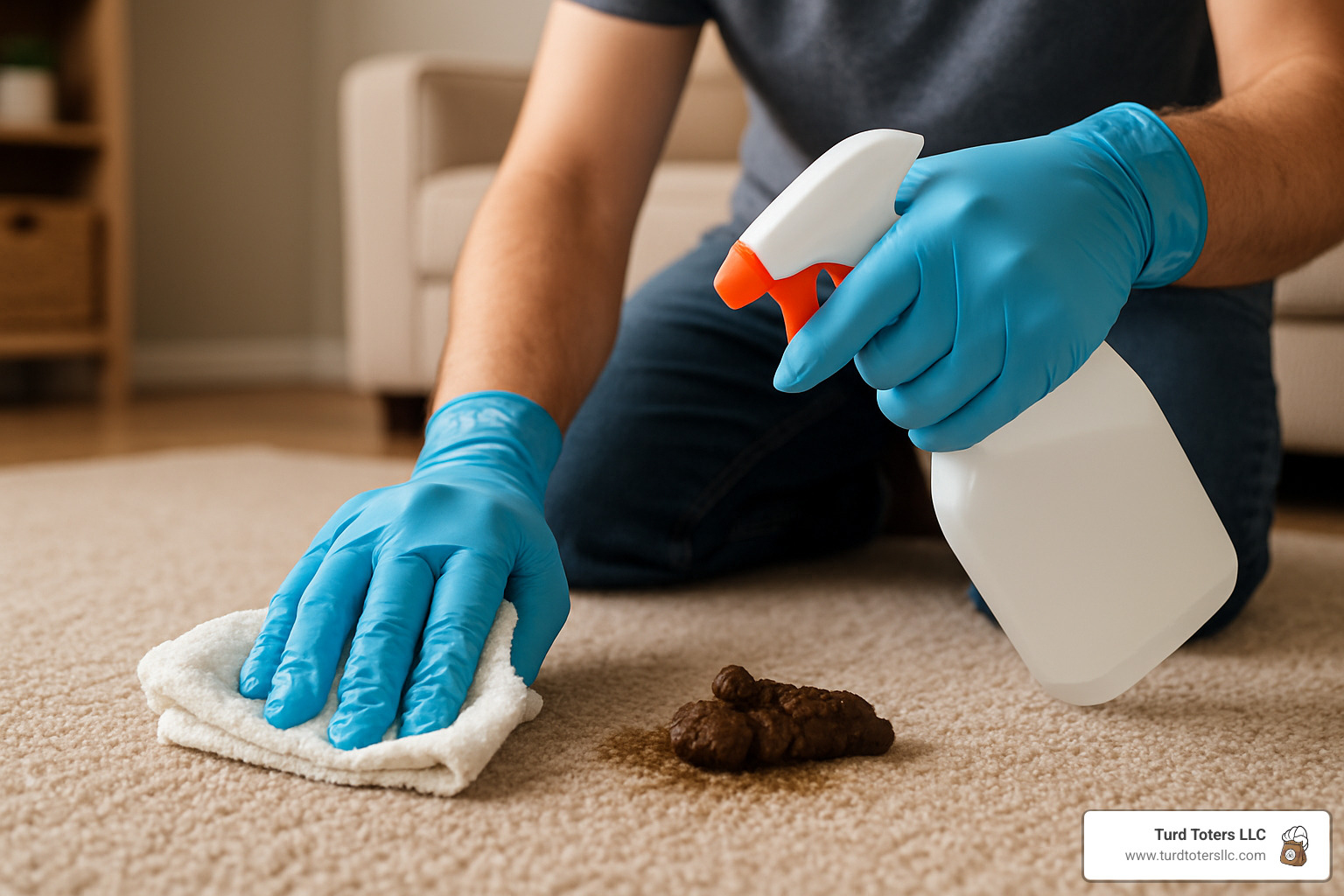
Carpet accidents test every pet owner’s patience, but the right technique can save your flooring and your sanity. The golden rule? Never rub or scrub fresh waste – this just pushes the mess deeper into the carpet fibers where it becomes a permanent problem.
Start by blotting up any liquid with paper towels, working from the outside of the stain toward the center. This prevents spreading the accident to clean areas of carpet.
If you’re dealing with solid waste, let it dry overnight if possible. Dried waste actually scrapes off much more completely than wet material that just smears into the fibers.
Mix a 50-50 solution of white vinegar and water for natural odor elimination, or invest in commercial enzymatic cleaners designed specifically for pet accidents. Apply the solution generously and blot repeatedly until no more material transfers to your cleaning cloths.
When Your Dog Has Diarrhea
Diarrhea emergencies are every pet owner’s nightmare, but a few clever tricks can make cleanup much more manageable. The key is working with the mess instead of against it.
Sprinkle clay-based cat litter over liquid waste to solidify it for easier removal. It sounds weird, but it actually works better than trying to mop up liquid mess.
Freeze spray (compressed air held upside down) instantly hardens loose stool, making it scoop-able without spreading everywhere. This technique works on both indoor and outdoor surfaces and can be a real lifesaver.
Use disposable spatulas or scrapers for diarrhea cleanup to avoid the hassle of properly sanitizing reusable tools.
Smart Disposal & Eco-Friendly Options
Proper disposal is the final step in responsible dog feces cleanup, but many pet owners don’t realize their options beyond basic trash bins. Understanding local regulations and environmental impacts helps you make informed decisions.
Trash bin disposal is the most common method, but it contributes to landfill waste and doesn’t address the environmental impact of plastic bags. Double-bagging prevents leaks and odors, but increases plastic consumption.
Flushing dog waste is EPA-approved in many areas because sewage treatment plants can process the organic matter safely. However, check local regulations first – some septic systems and municipal plants prohibit this practice.
Burying waste 6-8 inches deep works in rural areas with proper soil conditions, but requires careful site selection. Stay at least 200 feet from water sources and avoid areas where children play or vegetables grow.
Scientific research on plastic bag pollution reveals that traditional disposal methods create long-term environmental problems that innovative solutions are beginning to address.
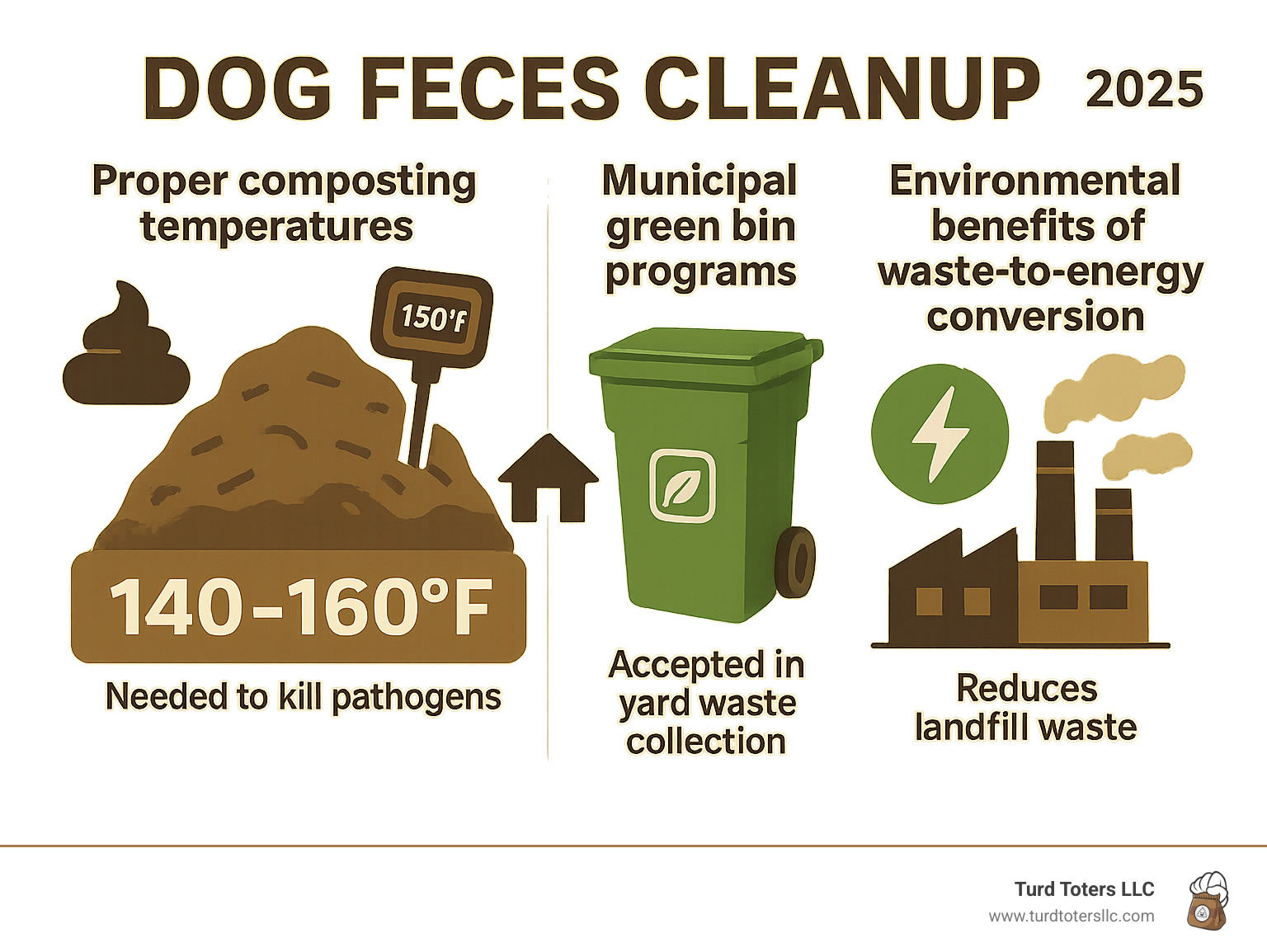
Some progressive companies now offer waste-to-energy programs that convert pet waste into renewable energy through methane capture. These programs divert waste from landfills while generating clean power for communities.
More info about Dog Waste Management Service explores comprehensive approaches that go beyond basic pickup.
Green Bag Alternatives
Paper sacks work well for immediate disposal but aren’t practical in wet conditions. They break down quickly in landfills and don’t contribute to microplastic pollution like synthetic alternatives.
Newspaper wrapping is the most economical eco-friendly option, though it requires more handling than pre-made bags. Use several layers to prevent leaks and tears during transport.
ASTM-certified compostable bags offer the convenience of plastic with environmental benefits, but they need proper composting conditions to break down. Don’t assume “biodegradable” means the same as “compostable” – read certifications carefully.
Backyard & Municipal Composting Guidelines
Home composting of pet waste requires specialized equipment and careful management to reach temperatures that kill pathogens. Standard backyard compost bins don’t get hot enough for safe processing.
Target temperatures of 140-160°F for several days are necessary to eliminate harmful bacteria and parasites. Digital compost thermometers help monitor conditions accurately.
Never use pet waste compost on vegetable gardens or areas where children play. Even properly composted material may contain residual pathogens that pose health risks.
Some municipalities now accept pet waste in green bins alongside yard waste, processing it in industrial facilities that reach appropriate temperatures. Check with your local waste management authority about available programs.
Finding the Best Dog Feces Cleanup Pros
When you’re ready to hand over your dog feces cleanup duties to the professionals, you’ll quickly find that not all services are created equal. The industry has grown tremendously, with companies now offering everything from basic weekly pickup to comprehensive yard management programs that include GPS tracking and customer apps.
The key is knowing what separates a reliable service from someone who might show up inconsistently or cut corners. Service frequency is your first consideration – most families find that weekly visits strike the perfect balance between cost and cleanliness. Go longer than a week, and you’re back to dealing with odors and accumulation.
Insurance and proper PPE should be non-negotiable when choosing a service. Any legitimate company will have their technicians wear gloves, use sanitized equipment between properties, and carry liability coverage. If they can’t provide proof of insurance, keep looking.
Modern services often include GPS-tracked technicians who provide real-time updates about their visits. Some companies have developed customer portals where you can see exactly when service was completed and leave special instructions for your technician.
More info about Residential Dog Waste Removal covers the full spectrum of what professional services can offer today.
Weekly Yard Care — Turd Toters LLC (Georgia)
Here in the Augusta, Evans, and Grovetown areas, we’ve built our reputation on hassle-free maintenance that actually works. Our approach goes well beyond basic dog feces cleanup – we treat your yard like our own.
Our technicians follow a systematic crisscross grid pattern to walk every inch of your property. This methodical approach means we don’t miss spots behind bushes, under decks, or in those corner areas where waste tends to accumulate. It’s the difference between a quick walkthrough and thorough professional service.
What really sets us apart is our customer portal alerts system. You’ll get notifications when service is complete, along with any weather-related delays or special observations about your pets’ health based on what we find during cleanup.
We keep detailed service records that help us optimize your pickup schedule and identify patterns in your pets’ habits. This data-driven approach means we can provide more efficient service while keeping your yard consistently clean.
One-Time & Seasonal Deep Cleans
Sometimes you need more than regular maintenance. Spring thaw cleanups are particularly popular because winter snow often conceals months of accumulated waste that becomes visible when temperatures rise. These intensive cleanups require special techniques since frozen and thawed waste behaves very differently than fresh deposits.
Move-in and move-out services help families start fresh in a new home or ensure their property is clean for incoming residents. These comprehensive cleanups often uncover waste in surprising places – under porches, behind garden sheds, or in overgrown areas that regular maintenance might miss.
Event preparation is another common request. Whether you’re hosting a backyard barbecue or having family visit, you want your outdoor space to be guest-ready. We often provide same-day service for these urgent situations because we understand that life doesn’t always give you advance notice.
Commercial & HOA Solutions
Multi-family housing and commercial properties face unique challenges with pet waste management. Pet waste station installation and maintenance help apartment complexes, office parks, and community areas stay compliant with local regulations while providing convenient options for residents.
Multi-family complexes benefit most from scheduled service that addresses common areas systematically. Regular professional maintenance prevents the accumulation that leads to tenant complaints and potential health department violations.
Frequently Asked Questions about Dog Feces Cleanup
Let’s tackle the most common questions we hear from homeowners about dog feces cleanup. These are the real concerns that keep pet owners up at night – and the practical answers that actually help.
How often should I clean or schedule a service?
Here’s the honest truth: immediate cleanup after each elimination is the gold standard, but we know life gets busy. If you can’t be out there with a bag every single time, daily removal becomes your bare minimum for keeping your family healthy and your neighbors happy.
Most of our clients find that weekly professional service hits the sweet spot for typical households with one or two dogs. It keeps the yard consistently clean without breaking the budget or requiring daily vigilance on your part.
But here’s a crucial tip we’ve learned from years of experience: always do a quick yard check before rainstorms, regardless of your normal schedule. Rain turns solid waste into a contaminated mess that spreads everywhere, making cleanup ten times harder afterward.
Can dog poop be safely composted at home?
This question comes up constantly, and we wish we had better news. Home composting of dog waste is technically possible but practically challenging for most homeowners. Your regular backyard compost bin simply doesn’t get hot enough to kill the nasty stuff hiding in pet waste.
The USDA requires temperatures of 140-160°F for several days to eliminate pathogens safely. Most home composting setups never reach these temperatures, let alone maintain them consistently.
Even if you manage proper composting, never use the finished product on vegetable gardens or anywhere kids play. The risk of leftover pathogens makes this compost suitable only for ornamental plants and trees.
What personal protective gear is truly necessary?
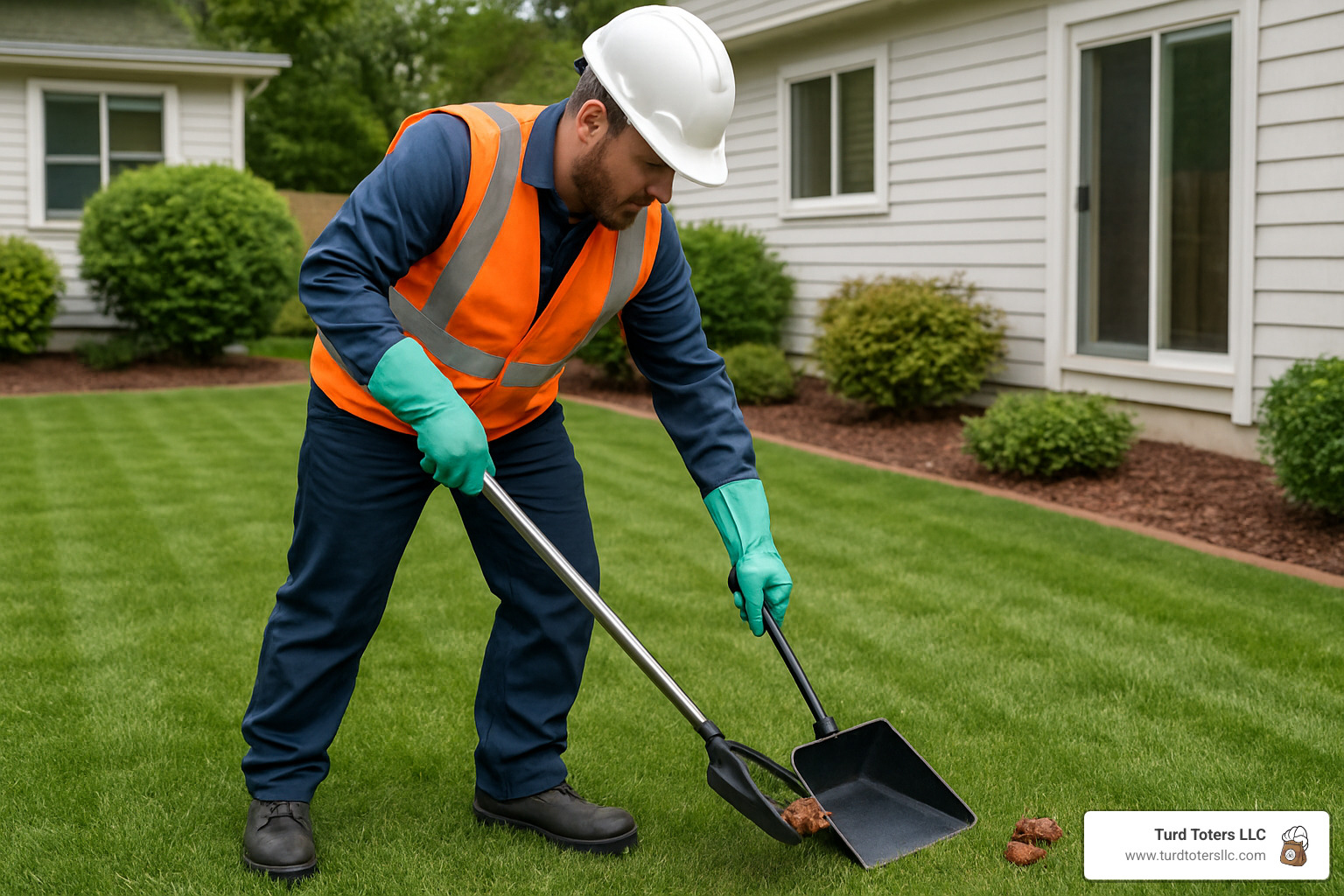
Don’t overthink this, but don’t skip the basics either. Disposable nitrile gloves are absolutely essential for any dog feces cleanup – they’re tougher than latex and won’t trigger allergies. This isn’t optional; it’s basic health protection.
Hand sanitizer should be your immediate follow-up, even when you’ve worn gloves. Nothing beats proper hand washing with soap and warm water for at least 20 seconds, but sanitizer works when you’re stuck in the middle of the yard.
For bigger cleanup projects, like spring thaw disasters or move-in situations, consider safety glasses and an N95 mask. Dried waste can become airborne, especially on windy days, and you don’t want to breathe that in.
Conclusion
Taking care of dog feces cleanup isn’t just about keeping your yard looking nice – it’s about creating a healthier, happier environment for everyone in your community. When you stay on top of waste removal, you’re protecting your family’s health, keeping your neighbors happy, and doing your part to protect local waterways and ecosystems.
The beauty of consistent cleanup is how it prevents small problems from becoming big headaches. A few minutes of daily attention saves you from those overwhelming weekend cleanup sessions that nobody enjoys. Plus, your pets stay healthier when they’re not constantly exposed to parasites and bacteria lurking in old waste.
Professional maintenance takes the guesswork out of the equation. You don’t have to remember to check the weather forecast before storms or worry about missing spots in hard-to-reach corners of your yard. Regular service means your outdoor space is always ready for family barbecues, kids’ playtime, or just relaxing with your furry friends.
The environmental benefits add up quickly too. When every pet owner in the neighborhood takes waste management seriously, we collectively protect the streams, rivers, and lakes that make Georgia such a beautiful place to live.
Life gets busy – we totally get it. Between work, family commitments, and everything else on your plate, yard maintenance often slides to the bottom of the priority list. That’s exactly why Turd Toters LLC exists. We handle the messy work so you can focus on the fun parts of pet ownership, like teaching new tricks, going for walks, and enjoying those precious moments with your four-legged family members.
Our weekly service in Augusta, Evans, Grovetown, and surrounding communities means you never have to think about waste cleanup again. We show up consistently, rain or shine, ensuring your yard stays fresh and inviting year-round.
More info about Weekly Dog Poop Removal shows how regular professional service creates better results than trying to keep up with everything yourself.
Ready to reclaim your weekends and enjoy a consistently clean yard? Contact the cleanup pros for a fresher yard today! Let us take care of the dirty work while you focus on making memories with your pets and family.